Key takeaways
- Three filling methods: the liquid pump (peristaltic or piston) for liquid, paste-like, or viscous products, including those containing particles; volumetric filling, which measures a fixed volume; and gravity filling, either simple or assisted.
- The format determines the method: automatic lines for plastic tubes; volumetric dispensers for jars and pouches; fillers for metal cans and buckets; and pumps or gravimetric systems for liquids and semi-liquids.
- Three decision-making factors: the volume to be produced, the viscosity or density of the product, and production constraints. The right technique minimizes losses and ensures compliance.
- Traceability: Weight compliance is ensured through written procedures and calibrated, regulated scales.
In the industrial sector, the filling and conditioning of packaging represents a major challenge. Precise dosage, safe handling and optimum protection are essential factors in guaranteeing the quality and reliability of finished products.
Yet this can be a complex process, mainly due to the diversity of formats and specificities of each product. Etraves, a specialist in the packaging of industrial products, supports companies in this demanding task by offering solutions adapted to each type of packaging.
In this article, we present methods and best practices for filling plastic tubes, pots, bags and cans.
Filling solutions for all types of industrial packaging
We make only liquid and pasty products:
- Liquid pumps. These machines move liquid, pasty or even viscous products into containers using peristaltic or piston pumps. They ensure precise filling and can handle products containing particles, while guaranteeing safety and cleanliness.
- Volumetric filling. This process measures a fixed volume of product before pouring it into the pack. It is fast, suitable for free-flowing products, and enables reliable control of the quantity dispensed.
- Gravity filling (simple or assisted). Product flows naturally by gravity into the container
Which filling method to choose, depending on packaging and product type?
The choice of filling technique depends on both the type of packaging and the nature of the industrial product.
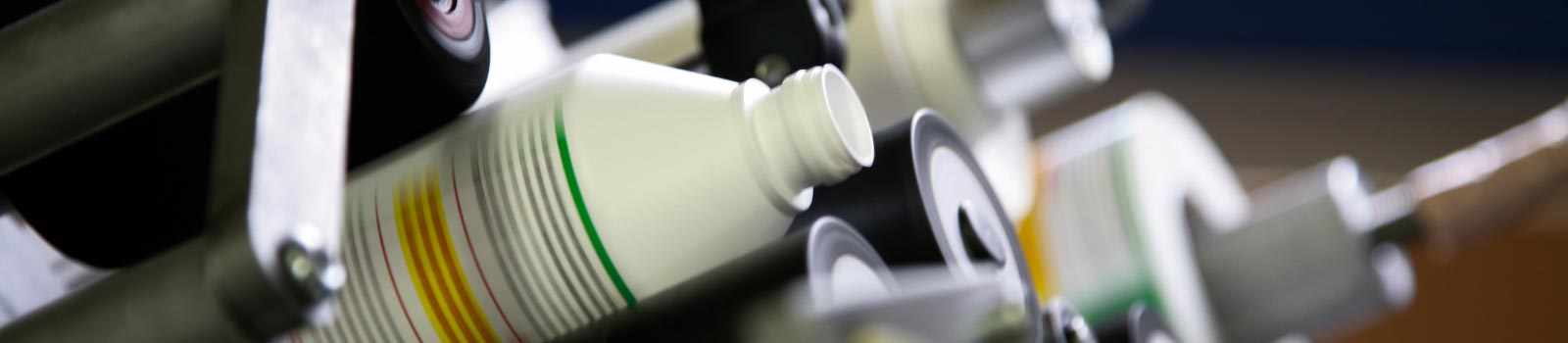
For plastic tubes, liquid or pasty products are generally packaged. On automatic lines, offering high productivity and precise, regular dosing.
When filling pots and sachets, pasty products are often filled using volumetric dosers.
For metalcans and buckets, pasty products are generally filled on filling machines, enabling the quantity dispensed to be adapted to the packaging format. Liquid or semi-liquid products, on the other hand, require pumps or gravimetric filling to guarantee homogeneity and protect the product during the operation.
To remember: The choice of filling method for industrial packaging also depends on the volume to be produced, the product's viscosity or density, and production constraints. The right technique optimizes filling precision, limits losses and guarantees compliance with industrial standards.
Whatever the filling method, traceability and weight conformity are guaranteed thanks to precise procedures and controlled regulated scales.
Why outsource the filling of industrial packaging to Etraves?
Entrusting the filling of your industrial packaging to a specialist like Etraves saves you time and ensures optimal precision, even for large volumes or complex products (particularly chemicals). Our technical expertise guarantees accurate and consistent dosing, which is essential for maintaining the quality and integrity of industrial products.
Etraves has a perfect command of safety standards and is able to handle chemical or sensitive products, minimizing the risk of contamination or spillage. Our modern equipment and quality control procedures ensure reliable, compliant filling for every type of packaging, whether plastic tubes, pots, pouches or cans.
This flexible, secure approach enables us to meet a wide range of needs, while guaranteeing our partners precise, safe and efficient industrial filling to the highest standards.
Filling industrial packaging is a key stage in guaranteeing the quality and safety of your products. With over 30 years' expertise and state-of-the-art equipment, Etraves supports companies in all their industrial packaging operations.
Don't hesitate to contact our teams for personalized, flexible support.
FAQ — Filling Industrial Packaging
Which filling method should be used based on the packaging format?
Plastic tubes run through automatic lines that combine high throughput with consistent dosing. Jars and pouches are filled using a volumetric dosing machine. Metal cans and buckets are filled by filling machines, which adjust the quantity to match the container size.
Is gravity filling suitable for all products?
No. It relies on the product’s natural flow, which limits its use to liquids and semi-liquids. As soon as the viscosity increases, you need to switch to a pump—peristaltic or piston—capable of moving a paste-like product without affecting its consistency.
How is weight compliance ensured?
Through written procedures applied to each batch and through calibrated scales that are periodically inspected. It is this system that ensures enforceable traceability: it makes it possible to certify, batch by batch, that the declared quantity matches the quantity delivered.