Key takeaways
- Single-component cartridges: also known as 310-ml cartridges, an industry standard for industrial, DIY, and automotive applications.
- Plastic: for sealants, tile grout, and silicone. Aluminum: for polyurethane, anaerobic, and solvent-based adhesives.
- Volumes: from 80 ml to 2 liters, plus syringes with plungers and 400-gram grease cartridges.
- Requirements: weights in compliance with regulations; traceability of lots and expiration dates; packaging in PAV cartons for mass retail.
Packaging consists in filling packages with products. Among all the existing packaging, the mono-component cartridges, also known as 310ml cartridges, are standard for industry, DIY or automotive. The adequacy between the packaging and the product is essential. It is essential that the product is well protected, that it is functional and that it is a marketing asset.
ETRAVES' single component cartridge packaging meets all these criteria.
Single component cartridge materials
Single component cartridges are made of plastic or aluminum. The material used for the manufacturing of the mono-component cartridges, depends on the type of product that they will have to contain.
Plastic cartridges can contain a wide variety of products such as sealants, tile grout, and silicone.
Aluminum cartridges will be used especially for products that need more protection, such as polyurethane adhesives, anaerobic adhesives, solvent-based adhesives.
Single component cartridges are designed to deliver a precise dose. To do this, regardless of the cartridge material, you will need accessories to use it: a manual, electric or pneumatic application dispenser and an application cannula or nozzle.
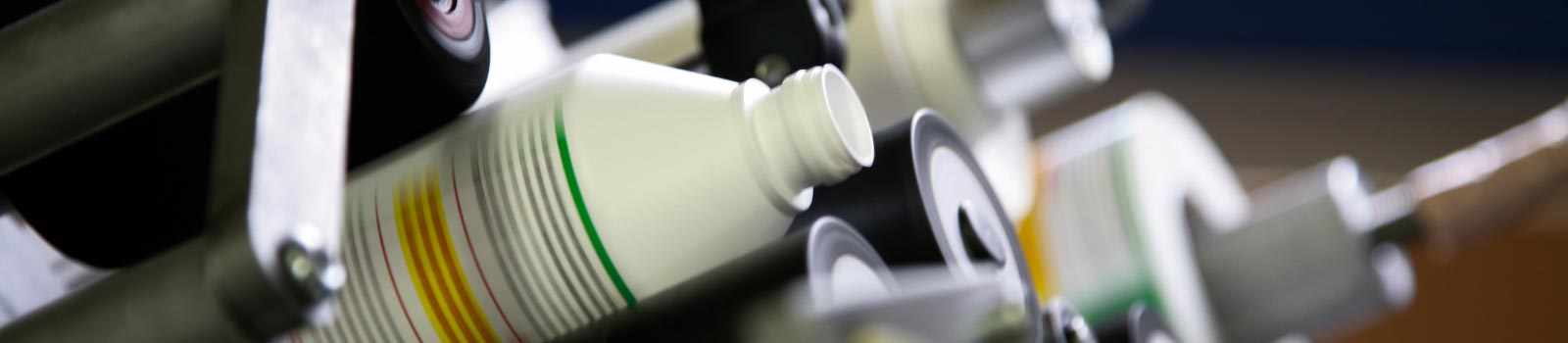
The single component cartridges can be labeled or printed and safety triangles (tactile markers) can be incorporated.
In addition to the standard 310ml, the cartridge is available in different volumes ranging from 80ml to 2 liters. In its family, we also find the syringes with pushers and the 400gr grease cartridges.
The packaging of the cartridges
The packaging must respect certain rules. It is for this reason that it is preferable to call upon a custom packer of single component cartridges.
First of all, it is necessary to fill the right quantity of product and to be able to control that these weights are in conformity with the regulatory requirements. Some products are fragile and require specific handling and controls during filling. It is also necessary to be able to guarantee the traceability of batches and use-by dates.
The cartridges must be clean and are often stored in PAV (ready to sell) cartons. These are display cartons with cushioning for shelf display in supermarkets.
Etraves, a specialist in contract packaging, can handle all of these services and supply all the necessary components. It’s simple: just contact the sales team and let them guide you.
FAQ — Single-component cartridges
Which cartridge material should be used for each product?
Plastic is suitable for a wide range of formulations: sealants, tile grout, and silicones. Aluminum is reserved for products that require a stronger barrier—polyurethane adhesives, anaerobic adhesives, and solvent-based products. It is the chemical nature of the product that dictates the material, not the other way around.
What accessories are needed to use a single-component cartridge?
An application gun—manual, electric, or pneumatic, depending on the application rate—and an application tip or nozzle that determines the bead’s shape and flow rate. Without these two components, the cartridge cannot deliver the precise dose for which it is designed.
Can a single-component cartridge be customized?
Yes, through labeling. That’s where the required regulatory information, brand identity, and traceability details are included. This process is integrated into the packaging service, which eliminates the need for additional handling after filling.